How to pack a house for moving without breaking anything. Room-by-room packing tips, material checklist, and what professional packers do differently.
Bad packing is where most moving damage happens, not the truck ride. A plate wrapped in a single sheet of newspaper cracks the same way whether the drive is 5 km or 500. This guide covers what actually protects your goods, room by room.
Why packing quality matters more than the drive itself
It's tempting to assume a short local move needs less careful packing than a long interstate haul, but that's backwards. Most damage happens during loading and unloading, when boxes are lifted, stacked and shifted the most, not during the smooth stretch of highway in between. A poorly wrapped plate can crack being carried down a flight of stairs just as easily as it can on a 12-hour route. Treat every move, short or long, with the same packing standard.
Packing materials you'll need
- Corrugated boxes in at least three sizes: small for books and heavy items, medium for kitchenware, large for linens and light bulky items.
- Bubble wrap and packing paper for glassware, crockery and electronics.
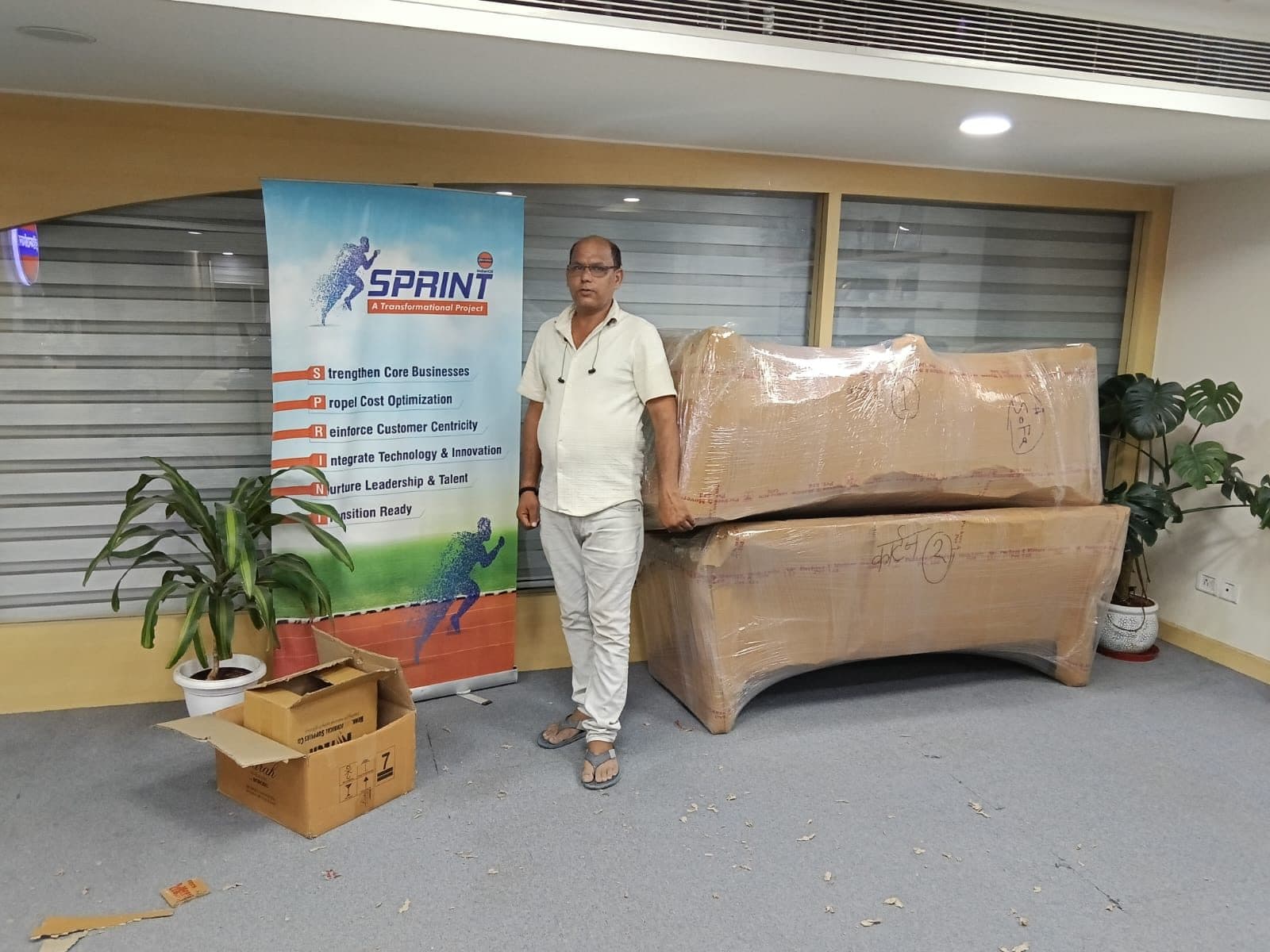
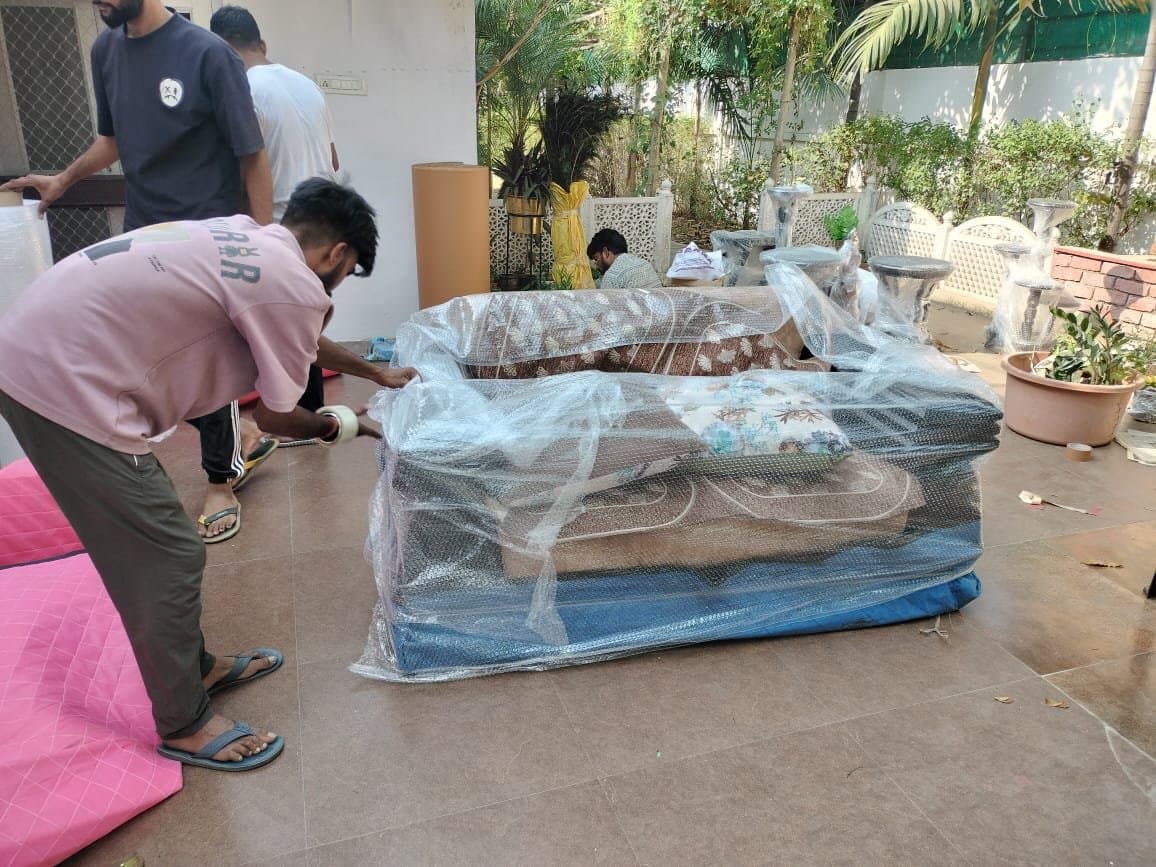
- Stretch film to bundle drawers shut and protect upholstered furniture.
- Wooden crates for mirrors, artwork, and anything fragile enough to need rigid protection.
- Labels and a marker, or coloured tape, to tag boxes by room.
Kitchen
Wrap plates vertically, like records in a crate, rather than stacking them flat. Fill glasses and cups with crumpled paper before wrapping to stop them shattering under pressure. Pack heavier items like appliances at the bottom of sturdy boxes, never on top of anything fragile.
Electronics
Photograph cable setups before disconnecting anything, it saves real time on reassembly. Original boxes are ideal if you kept them; otherwise use anti-static bubble wrap and avoid packing electronics directly against packing paper, which can generate static.
Furniture
- Disassemble what you can: bed frames, large tables and modular wardrobes travel safer and take up less space in pieces.
- Wrap corners and edges of wooden furniture in blankets or corrugated sheets to prevent scuffs.
- Keep all screws and small hardware in a labelled bag, taped to the matching furniture piece.
Wardrobe and clothing
Hanging clothes travel best in wardrobe cartons, tall boxes with a metal bar so garments move straight off the rail with no extra folding. Fold and box everything else, and use vacuum bags for bulky off-season items like jackets or quilts, since they compress a surprising amount of volume out of the load. Shoes travel best in their original boxes or a dedicated shoe carton, kept upright so soles don't press against fabric.
Books and documents
Books are deceptively heavy, so keep them in small boxes only, packed flat rather than spine-up, and never mixed into a large carton that becomes too heavy to lift safely. Important documents, property papers, ID proof, certificates, should skip the general packing process entirely and travel with you in a folder, not in a numbered box that gets loaded onto the truck.
Bathroom and toiletries
Seal any liquid bottles with tape over the cap, or place them in a zip-lock bag inside the box, since pressure changes and rough handling can pop a cap open. Pack toiletries in a small bag you carry yourself rather than the general shipment, so your essentials aren't buried in a box you can't find on the first night.
Artwork, mirrors and fragile decor
- Use flat wooden crates or dedicated mirror cartons for anything with glass, rather than wrapping loose glass items together in bubble wrap.
- Add cardboard corner protectors on framed art before wrapping, since corners take most of the impact if something is knocked.
- Mark the box with which side is up and 'fragile' in more than one place, since a single label is easy to miss when a box is stacked among others.
- Store flat items like framed art and mirrors upright, never flat under other boxes, to avoid pressure cracks.
Packing large appliances
A refrigerator needs to be defrosted, emptied and left open a day ahead so the interior dries out before it's tilted or laid on its side. A washing machine needs its drum locked with transit bolts if it has them, and any leftover water drained from the hose and detergent tray. An AC's outdoor unit is usually the team's job to detach safely, but it's worth flagging in advance if you want it reinstalled rather than just transported. None of these travel well wrapped loosely; each needs its own protective covering and space so it isn't pressed against other furniture.
Protecting against moisture and weather
Cardboard boxes absorb moisture fast, so anything travelling on an open vehicle or through a monsoon-affected route benefits from an extra layer, a plastic sheet or tarpaulin over vulnerable boxes, and desiccant sachets inside boxes holding electronics or leather goods. Keep anything genuinely irreplaceable, documents, photographs, out of cardboard entirely and in a sealed plastic folder or bag you carry yourself.
Special and bulky items
A handful of items never fit neatly into a standard packing routine, and each needs its own approach rather than a generic box.
- Pianos and heavy musical instruments need dedicated padding and, often, a specialised dolly or ramp for safe handling, not standard furniture blankets.
- Aquariums need to be fully drained and their substrate packed separately, since they can't travel with water or gravel still inside.
- Safes and heavy almirahs are usually wrapped and moved on a hand truck with reinforced straps, given their weight concentration in a small footprint.
- Oversized sofas or wardrobes that won't fit through a standard doorway sometimes need partial disassembly on-site before they can be wrapped and moved at all.
Kids' rooms and toys
Pack a small bag of favourite toys and a comfort item separately from the general shipment, so it travels with the family rather than getting buried in a box that won't be opened until the next day. For everything else, treat toys like books: small boxes for anything heavy like building blocks, medium boxes for soft toys and lighter items, and clear labelling so a child's room gets unpacked as one unit rather than scattered across mismatched boxes.
Packing for an interstate move: what changes
The packing itself doesn't change much, but the margin for error shrinks. Boxes spend longer in transit and get handled more times between loading and final delivery, so it's worth using slightly sturdier cartons for anything heavy, double-taping box bottoms, and being more conservative about what counts as 'fragile enough to crate' compared to a short local move.
Packing timeline: how far ahead to start
| Timeframe | What to pack |
|---|---|
| 3 to 4 weeks before | Off-season clothing, books, decor and anything you won't touch before the move |
| 2 weeks before | Kitchen items you use rarely, spare linens, garage or storage-room contents |
| 1 week before | Most of the kitchen, wardrobe and living room, leaving only daily essentials out |
| Final day | Bedding, toiletries, electronics still in use and the first-night bag |
A labelling system that actually works
- Label by room, not by number. 'Kitchen' tells the team where to put a box immediately; 'Box 14' means checking a list first.
- Mark fragile boxes on the top and at least one side, not just one spot that could end up facing away from view.
- Flag 'open first' boxes clearly, first-night essentials, chargers, basic toiletries, so they're easy to spot among a room full of identical cartons.
- Keep a simple written or photo inventory as you pack, useful for both insurance purposes and for checking nothing's missing at delivery.
Common packing mistakes
- Overfilling large boxes with heavy items like books, making them too heavy to lift safely and more likely to split at the bottom.
- Using old, weakened boxes for the move instead of fresh corrugated cartons, especially for anything heavy or fragile.
- Wrapping fragile items in a single layer of newspaper, which barely cushions an impact compared to bubble wrap or proper packing paper.
- Leaving gaps inside boxes instead of filling them with paper or cloth, which lets items shift and knock against each other in transit.
- Packing valuables or documents into the general shipment instead of carrying them personally.
What packing material costs, if you're sourcing it yourself
These are approximate 2026 per-unit costs if you're buying material independently rather than having it included in a mover's packing service.
| Material | Approximate cost |
|---|---|
| Small box | ₹25–₹40 each |
| Medium box | ₹35–₹55 each |
| Large box | ₹45–₹70 each |
| Bubble wrap roll | ₹300–₹600 |
| Packing paper bundle | ₹150–₹300 |
| Stretch film roll | ₹200–₹350 |
Self-packing vs professional packing: making the call
The decision usually comes down to three things: how much time you actually have before moving day, how many fragile or high-value items are in your inventory, and how you feel about the insurance gap between self-packed and team-packed goods.
| Self-packing | Professional packing | |
|---|---|---|
| Time needed | Several evenings spread across a week or two | Usually done in a single day by the team |
| Best for | Clothes, books, low-risk everyday items | Crockery, electronics, artwork, a full household in one go |
| Insurance fit | Often covered less comprehensively | Easier to insure fully, since the mover can vouch for how items were packed |
What professional packers do differently
Trained teams layer packing material by weight and fragility, not by whatever fits. They also pack room by room rather than mixing items, which makes unpacking at the new place far faster. If your inventory includes high-value or awkward items, a full-packing service from a verified partner is usually worth the extra cost over self-packing.
How long professional packing takes, by home size
| Home size | Typical packing time |
|---|---|
| 1 RK / 1 BHK | 2 to 4 hours |
| 2 BHK | Half a day to a full day |
| 3 BHK | A full day, sometimes into the next morning |
| 4 BHK / Villa | 1 to 2 days, often split across the team |
These are for full packing done entirely by the team. Self-packing on your own timeline generally takes longer in total hours, spread across several evenings, since you're not working with a full team at once.
Unpacking: working backward from how you packed
A good packing job pays off twice, once during the move and again when you unpack. If boxes were labelled by room and a first-night bag was kept aside, unpacking the kitchen and bedroom first, the two rooms that matter most in the first 48 hours, becomes straightforward rather than a scavenger hunt through identical cartons. Save flattened boxes for a week or two after unpacking in case anything needs re-checking against your inventory.
See what full or part packing would add to your move cost.
Estimate packing costCompare packing service tiers on our rate card.
View pricingCompare quotes from verified partners who offer full and part packing.
Browse verified partnersFrequently asked
How many boxes do I need to pack a 2 BHK home?
As a rough guide, a 2 BHK typically needs 25 to 35 boxes across small, medium and large sizes, depending on how much you own. A pre-move survey gives a more accurate count for your specific home.
Should I pack my own kitchen items or let the movers do it?
Fragile and valuable items like crockery, glassware and electronics benefit most from professional packing, since teams use layered protection you may not have material for at home. Non-fragile items like clothes and books are safe to self-pack.
What shouldn't be packed in moving boxes?
Flammables, gas cylinders, perishable food, plants and important documents should not go into the general shipment. Carry documents and valuables separately, and check with your mover on any other restricted items.
How long does packing a full house take?
A professional team typically packs a 2 to 3 BHK home in a single day. Self-packing usually takes several evenings spread across a week or two.
Does professional packing come with insurance?
Items packed by the moving company are usually covered more comprehensively under transit insurance than self-packed items, since the mover can vouch for how they were protected. Confirm the specific terms with your matched partner.
What's the best way to pack books without hurting my back?
Use small boxes only, and pack them flat rather than spine-up. Books are far heavier than they look, and a large box full of them is genuinely difficult and unsafe to lift.
How do I pack a mirror or framed artwork safely?
Use a flat wooden crate or a dedicated mirror carton, add cardboard corner protectors before wrapping, and always store the piece upright rather than flat under other boxes.
How far in advance should I start packing?
Start 3 to 4 weeks out with off-season and rarely used items, move to daily-use rooms in the final week, and leave only bedding, toiletries and a first-night bag for the last day.
What's the most effective way to label boxes?
Label by destination room rather than a number, mark fragile boxes on the top and one side, and flag any 'open first' boxes clearly so they're easy to spot on delivery.
Roughly how much does packing material cost if I buy it myself?
Boxes typically run ₹25 to ₹70 each depending on size, with bubble wrap, packing paper and stretch film adding a few hundred rupees more depending on how much you need. Many movers include material in a full-packing quote instead.
Is it worth paying for professional packing on just the fragile items?
Yes, this is a common middle ground. Self-pack the low-risk items like clothes and books, and pay for professional packing only on crockery, electronics and artwork, keeping cost down without risking anything valuable.
How should I pack for the first night in the new home?
Set aside a first-night bag with toiletries, a change of clothes, chargers and basic kitchen items, and label it clearly as 'open first' so it doesn't get buried among the rest of the boxes.
How should I prepare a fridge or washing machine before packing day?
Defrost and empty the fridge at least a day ahead and leave it open to dry out, and drain any leftover water from a washing machine's hose and detergent tray. Lock the drum with transit bolts if your machine has them.
Do pianos and aquariums need special packing?
Yes. Pianos need dedicated padding and often a specialised dolly, and aquariums need to be fully drained with the substrate packed separately, since neither travels safely using standard furniture wrapping.
Does packing change much for an interstate move compared to local?
The techniques stay the same, but the margin for error shrinks, since boxes are handled more times and spend longer in transit. Using sturdier cartons for heavy items and being more conservative about what needs crating is worth the extra care.
Why does packing quality matter even for a short local move?
Most damage happens during loading and unloading, not the drive itself. A poorly wrapped item can crack being carried down a flight of stairs just as easily as it can over a long highway route, so the packing standard shouldn't change with distance.