Relocating to Surat? Where to live, from Vesu and Adajan to Citylight, plus 2026 shifting costs, monsoon advice and settling-in tips for the Diamond City.
Surat is India's diamond and textile powerhouse, and consistently ranks among its cleanest and fastest-growing cities. People move here for business above all, and the city rewards them with good infrastructure, a strong food scene and housing that still costs less than most metros. Here is where to live and what the move costs.
Popular neighbourhoods
- Vesu is the premium address: modern high-rises, wide roads and proximity to VR Surat and the airport corridor.
- Adajan, across the Tapi, is a well-planned residential favourite for families, with parks and schools.
- Citylight and Piplod sit between the old city and Vesu, upscale and central at the same time.
- Pal and Palanpur Patiya are the newer, value-for-money pockets on the Adajan side.
- Athwa is the established old-money area near the riverfront.
- Varachha and Katargam are the diamond-industry heartlands, practical for anyone in that trade.
A closer look at each neighbourhood
Vesu
Surat's most recognisable premium address, and the neighbourhood most newcomers ask about first. Wide roads, a dense run of modern high-rise towers, and easy access to VR Surat mall and the airport corridor. Rents here sit at the top of the city's range, and most towers require a booked service lift slot before a moving team is allowed to start work.
Adajan
Across the Tapi from the old city, Adajan is the well-planned family favourite: parks, established schools and a mature social infrastructure that's grown alongside the residential towers. It draws a mix of long-settled Surat families and newer arrivals who want Vesu-adjacent convenience at a somewhat gentler rent.
Piplod and City Light
Sitting between the old city and Vesu, this stretch is upscale and central at the same time, popular with professionals who want a short commute to both the diamond bourses and the newer commercial belt. City Light in particular has a strong restaurant and retail scene that keeps the area lively well into the evening.
Althan
A fast-growing residential pocket just south of Vesu, Althan has absorbed a lot of Surat's newer mid-rise apartment construction in the past few years, at rents noticeably below its more established neighbour. It suits families who want Vesu's general convenience without the premium price tag, though some inner lanes are still catching up on road quality.
Ghod Dod Road
A busy, central commercial and residential stretch that connects several of Surat's older neighbourhoods to the newer western side. It's a practical choice for anyone who wants a genuinely central address with easy access to markets, hospitals and schools, though traffic along the main road is heavy for most of the day, so a flat set back on a side lane usually makes for a quieter home.
Pal and Palanpur Patiya
The value-for-money pockets on the Adajan side of the city, with newer construction at rents below Vesu or Piplod. Connectivity into the rest of the city has improved as the ring road network has filled in, making these a common landing spot for families prioritising space over a central postcode.
Varachha and Katargam
The diamond-industry heartlands, dense, commercially driven neighbourhoods built around the trade that gives Surat its nickname. Practical rather than polished, these areas suit anyone whose daily work runs through the diamond bourses or the textile markets nearby, and local movers here are well used to the narrow one-way lanes around the trading blocks.
Renting vs buying when you first arrive
Most people relocating to Surat for business rent first, even with a purchase eventually in mind, since the city's diamond and textile trades often mean an initial posting that could shift within a year or two. Vesu, Adajan and Piplod lead the rental market for their combination of short lease terms and strong infrastructure. Buyers focused on long-term value tend to look toward Althan, Pal or Palanpur Patiya, where per-square-foot pricing sits below the established central belt.
What to check before signing a lease
- Monsoon history of the specific building and lane, since some low-lying pockets near the Tapi have a track record of waterlogging in heavy spells.
- Water supply schedule and pressure, especially on higher floors of older buildings without a booster pump.
- Power backup for common areas and lifts, given how disruptive an outage during monsoon flooding can be.
- Society rules on move-in timing, deposits and any NOC required before a moving team can start, particularly common in premium Vesu towers.
- Parking allocation, since covered parking can be tight in older Athwa and Ghod Dod Road buildings.
Getting around the city
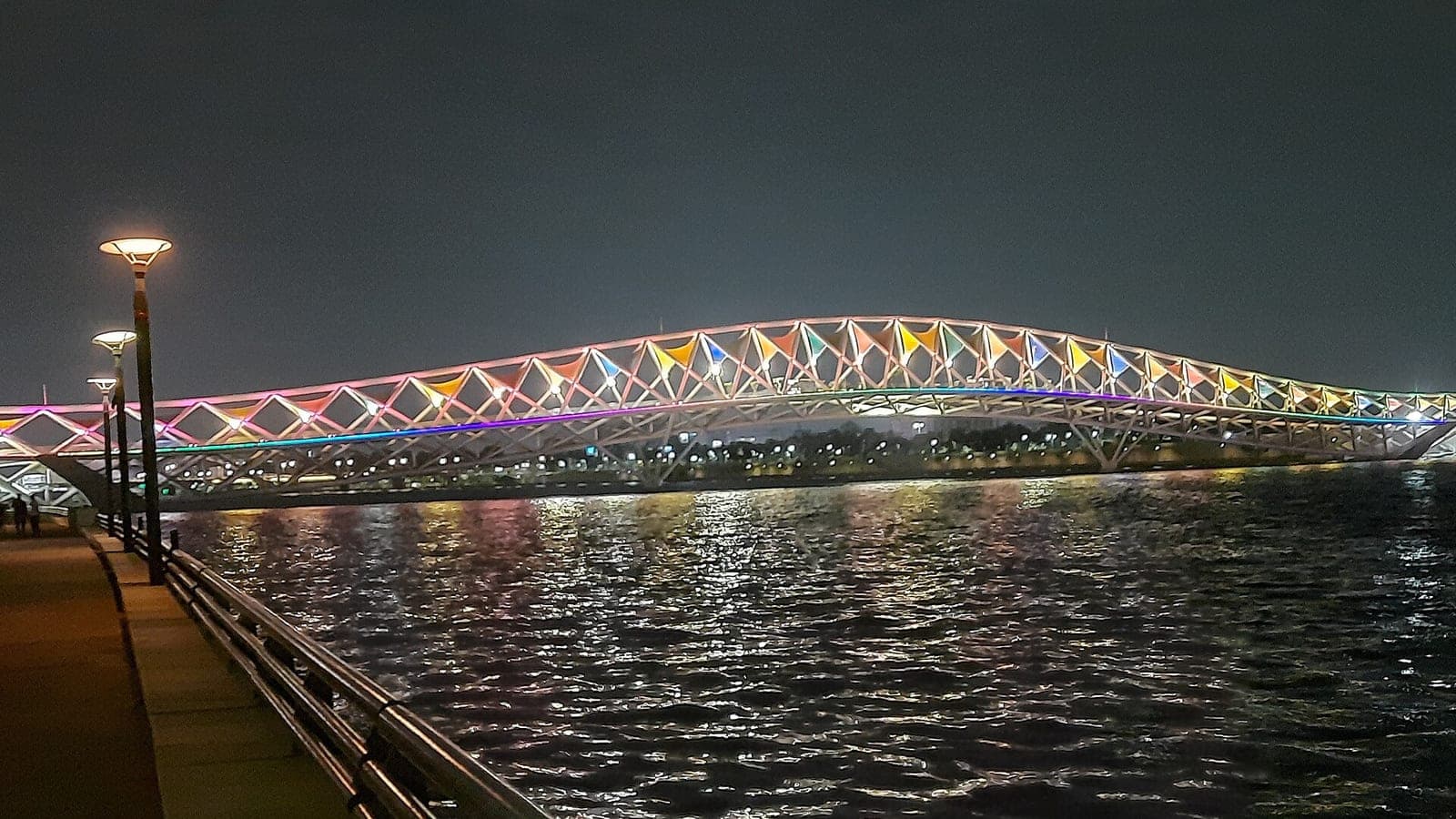
Surat's road network is genuinely well planned by Indian city standards, and the BRTS bus corridor covers a meaningful stretch of the city, though most daily commuting still runs by private vehicle or two-wheeler. The Tapi river splits the city, and bridges at a handful of points can bottleneck at peak hours, so anyone commuting from Adajan or Pal into the diamond bourses on the eastern side should test the crossing time before committing to a flat. Surat airport, on the Vesu side, keeps the city well linked for frequent travellers in the diamond and textile trades.
Surat for different kinds of movers
| Who you are | Neighbourhoods to start with |
|---|---|
| Family with school-age kids | Adajan, Piplod, Althan |
| Young professional, first rental | City Light, Vesu |
| Diamond or textile trade | Varachha, Katargam |
| Budget-conscious family | Pal, Palanpur Patiya, Althan |
| Established, old-money address | Athwa |
Schools and healthcare, at a glance
| Neighbourhood | Known for |
|---|---|
| Vesu & Piplod | Premium schools and major private hospitals nearby |
| Adajan | Established schools and family clinics, well developed |
| Althan & Pal | Newer schools growing alongside the residential stock |
| Varachha & Katargam | Dense local clinics, practical for the trading community |
Bringing a vehicle along
If you're relocating with a car or bike, it usually makes sense to ask your mover to price it as part of the same job rather than arranging separate transport. Mention it during the survey so the team and vehicle allocated to your move account for it from the start, particularly on a route like Mumbai to Surat where vehicle carriers already run frequently.
Setting up utilities when you arrive
- Electricity connections run through the state utility, and a new connection or name transfer typically needs proof of address and the previous occupant's details if you're taking over an existing meter.
- Water supply is municipal in most established neighbourhoods, though pressure and timing vary by area and floor, worth asking your society secretary about before move-in.
- Broadband coverage is strong in Vesu, Adajan and Piplod, with more limited provider choice in some of the newer Althan pockets still being built out.
- Cooking gas connections can usually be transferred to a new address with the right paperwork, though it's worth starting the process early since it isn't always instant.
How Surat compares to Ahmedabad and Vadodara
Local shifting rates in Surat sit close to Vadodara's and slightly below Ahmedabad's, so cost is rarely the deciding factor between the three. What actually changes is the texture of daily life: Surat is more industry-driven than either, built around the diamond and textile trades in a way that shapes its neighbourhoods, its traffic patterns and even its work calendar. Ahmedabad is bigger and busier with more transit options, and Vadodara is smaller and calmer, but Surat's combination of business energy and genuinely clean, well-run civic infrastructure is fairly distinct in the state.
What moving to Surat costs
Local shifting within Surat starts around ₹2,168–₹3,500 for a 1 BHK, ₹3,210–₹5,100 for a 2 BHK and ₹4,210–₹6,700 for a 3 BHK, excluding GST. Common inbound corridors include Mumbai (233 km), Ahmedabad (208 km) and Vadodara (131 km), all comfortably done within a day door to door. Route pricing lives on the Surat city page.
Timing your move around the calendar
The monsoon, June to September, is the single biggest scheduling factor for a Surat move, since the Tapi river and the city's low-lying pockets have a genuine flood history worth respecting. Outside that window, October through February is generally the easiest stretch, with dry weather and calmer demand. The diamond trade's own calendar also matters here in a way it doesn't in other Gujarat cities: bourse holidays and the industry's slow season around certain festivals can shift moving demand in Varachha and Katargam specifically, worth checking with a local partner if your move is trade-related.
Common mistakes people make when relocating to Surat
- Signing a lease near the Tapi without asking about the building's monsoon and flooding history first.
- Booking a move during peak monsoon without confirming waterproof packing and vehicle tarpaulin cover in writing.
- Skipping the society's move-in paperwork in premium Vesu or Piplod towers, then having a team turned away for lack of an NOC or lift booking.
- Choosing a flat near Varachha or Katargam without testing the commute at peak trading hours, when local traffic is at its heaviest.
- Assuming every neighbourhood is equally well connected. Some of Althan's newer inner lanes are still catching up on road quality.
Settling-in tips
- 1.Take the monsoon seriously. Surat gets heavy rain from June to September, so ask for waterproof packing and keep a buffer day in the plan.
- 2.Premium towers in Vesu and Piplod usually need lift booking and society permission before a team can start.
- 3.If your work is in Varachha or a GIDC estate, test the commute at peak hours before finalising a flat on the other side of the river.
- 4.Local movers know the one-way systems around the textile markets. Share your exact addresses during the survey so vehicle size is planned right.
Relocating to Surat, step by step
- 1.Shortlist two or three neighbourhoods based on your workplace, budget and whether you need to be close to the diamond bourses or textile markets.
- 2.Visit in person if you can, ideally checking the specific lane's monsoon history if it sits anywhere near the Tapi.
- 3.Sign the lease or complete the purchase, and confirm the society's move-in rules and any NOC or lift booking requirements ahead of your shift date.
- 4.Book your movers a week or two ahead outside monsoon season, and earlier if your dates fall between June and September.
- 5.On moving day, keep documents, valuables and a day's essentials with you rather than in the truck.
- 6.Once settled, work through the local admin: utility connections, address updates and society registration, ideally within the first few weeks.
Admin to sort out after you arrive
- Update your address on Aadhaar and, if you plan to vote locally, your voter ID.
- Set up electricity, water and gas connections in your name if they aren't already active under the previous tenant or owner.
- Register with the housing society or RWA, since most require this for lift access, parking allocation and gate passes for visitors.
- If you're relocating long term with a vehicle, look into the RTO process for updating your registered address.
- Find a nearby clinic or hospital and register with a local pharmacy, especially useful if you're moving with young kids or elderly family.
Community life and everyday rhythm
Surat's identity is unusually tied to work, more than most Indian cities of its size, and newcomers often notice that the diamond and textile trades set the rhythm of daily life across the whole city, not just in Varachha and Katargam. That said, the food scene along Athwa Gate and City Light, the riverfront promenade, and a genuinely strong civic upkeep make it an easy city to settle into once the initial move is behind you. Surat also consistently ranks among India's cleanest cities, which shows in everyday details like footpath maintenance and waste collection that residents of bigger metros often notice immediately.
Newcomers who settle in fastest tend to join a society or neighbourhood WhatsApp group early, since it's usually the quickest way to find a reliable electrician, a school bus contact, or someone who has already navigated the same monsoon-season building issue you're about to deal with.
Surat rewards people who plan around its monsoon and respect its trading calendar. Get those two things right and the rest of the move settles in faster than most newcomers expect.
Get matched with verified Surat movers and compare quotes for your shift.
Compare Surat quotesSee what your move will cost before requesting quotes.
Try the cost calculatorSee how Surat compares with Gujarat's other major cities on cost.
Read the Gujarat rate guideFrequently asked
Which is the best area to live in Surat?
Vesu is the premium pick, Adajan is the family favourite across the Tapi, and Citylight and Piplod balance upscale living with a central location. Pal and Althan offer newer housing at friendlier prices.
How much does house shifting cost in Surat?
Local moves start around ₹2,168 for a 1 BHK, ₹3,210–₹5,100 for a 2 BHK and ₹4,210–₹6,700 for a 3 BHK, excluding 18% GST.
How long does a Mumbai to Surat move take?
The 233 km run is typically done same day or overnight. Most households complete the full door-to-door move within a day or two.
Should I avoid moving to Surat during monsoon?
You do not have to avoid it, but June to September rain is heavy here. Confirm waterproof packing and tarpaulin cover for the vehicle, and keep flexibility in your dates.
Should I rent before buying property in Surat?
Most people relocating for business rent first, since diamond and textile trade postings can shift within a year or two. Vesu, Adajan and Piplod are the easiest areas to find a short-term lease.
Which Surat neighbourhoods suit a tight budget?
Pal, Palanpur Patiya and Althan generally offer newer construction at lower rents than Vesu or Piplod, with connectivity that has improved as the ring road network filled in.
Is Surat prone to flooding?
Some low-lying pockets near the Tapi have a genuine flood history during heavy monsoon spells. Check a specific building's history before signing a lease if the address sits close to the river.
What should I check in a lease before signing in Surat?
Monsoon and flooding history for the specific building, water pressure, power backup for lifts, parking allocation, and the society's move-in rules and NOC requirements, especially in premium Vesu towers.
Is Vesu or Adajan better for a family with school-age children?
Both work well. Adajan has a more established social infrastructure of schools and clinics, while Vesu is closer to the airport corridor and has more premium new-build stock.
How does Surat compare to Ahmedabad and Vadodara in cost of living?
Local shifting rates sit close to Vadodara's and slightly below Ahmedabad's, so moving cost is rarely the deciding factor. Surat's distinct pull is its diamond and textile trade economy and consistently strong civic infrastructure.
What admin should I complete soon after moving to Surat?
Update your address on Aadhaar, set up utility connections in your name, register with the housing society, and, if you've brought a vehicle for the long term, look into updating your RTO registration.
Does the diamond trade calendar affect moving demand in Surat?
It can, particularly in Varachha and Katargam. Bourse holidays and the industry's slower periods sometimes shift local moving demand, worth checking with a partner familiar with the trade if your relocation is business-related.
How far is Surat airport from the main residential areas?
The airport sits on the Vesu side of the city, a short drive from Vesu, Piplod and Althan, and a reasonably convenient one from Adajan across the Tapi.