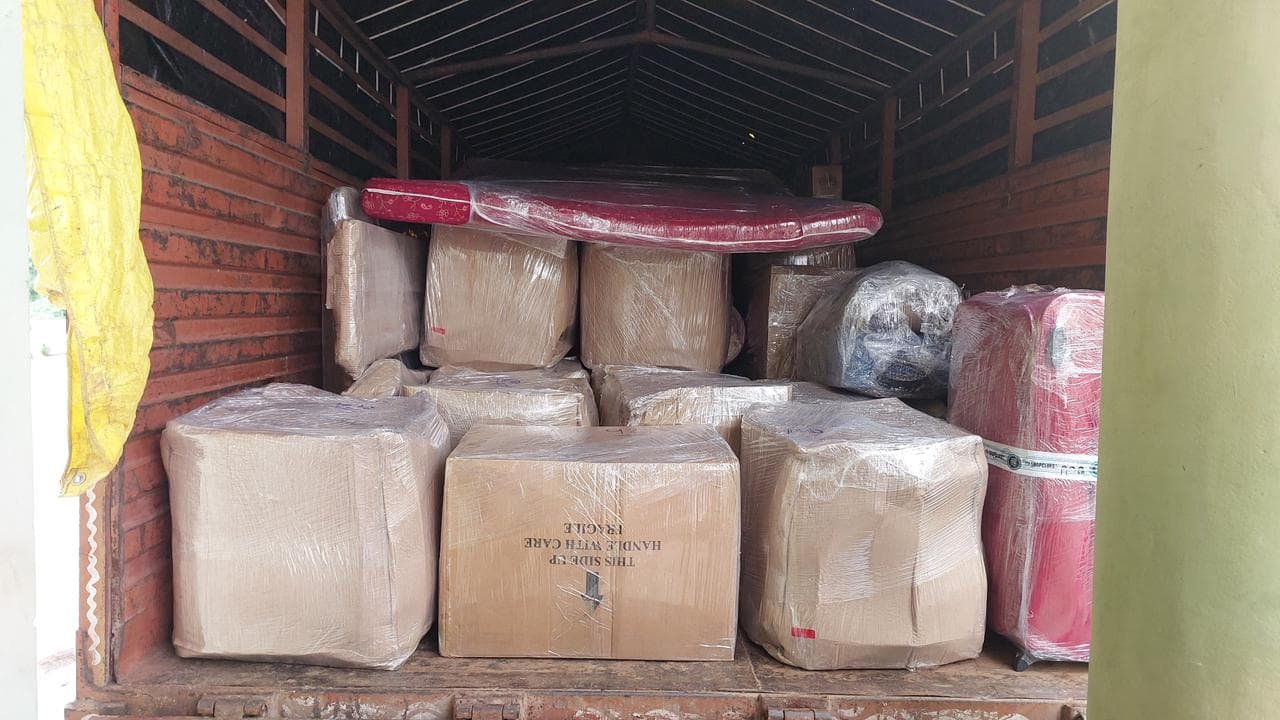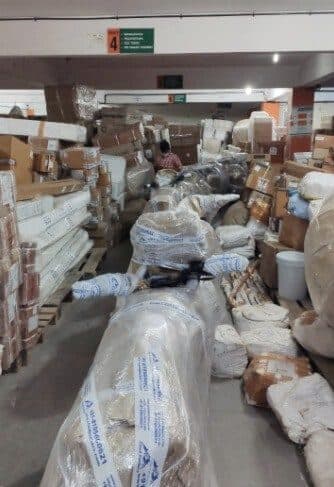
A practical guide to short-term household storage in India: when storage makes sense, how warehouses price it, how to prep your goods and what not to store.
Not every move is door to door on the same day. Lease dates misalign, possession gets delayed, a renovation runs long, or a job posting means living light for a few months. Household storage bridges that gap, and it is far more routine than most people realise. Here is how it works and what to expect on cost.
When storage makes sense
- A gap between move-out and move-in dates, even a few days, when goods need somewhere safe to wait.
- Renovation or interior work at the new home that makes unloading pointless.
- A transferable job where you keep the household packed between postings.
- Downsizing temporarily, for example moving into a smaller rental while a purchase completes.
- Studying or working abroad for a period without giving up your household.
The move-out to move-in gap
This is the single most common reason people book storage, and often the shortest, a week or two at most. A new flat's possession date rarely lines up exactly with the day the old lease ends, and rather than rushing a second, temporary move into a relative's spare room, packed goods go straight into a warehouse and come out again once the new address is ready. Because the gap is short, this is usually the cheapest storage scenario, though most facilities still bill it as a full month if that is their minimum block.
Renovation and interior work
Moving into a home that is still being painted, tiled or fitted out is asking for damage before you have even unpacked. Storage during renovation, typically a few weeks to a couple of months, keeps furniture and boxes out of dust and out of the way of contractors, and means you unpack once into a finished space instead of twice.
Downsizing and overseas relocation
Downsizing temporarily, moving into a smaller rental while a purchase or a bigger move completes, often means more goods than the interim home can hold. Rather than selling everything in a hurry, the surplus goes into storage until there is room again. Overseas relocation works on a longer horizon: a household that is not ready to sell everything before a posting abroad can put its goods into extended storage for months or years, picking up where it left off on return.
How storage is priced
Storage is billed monthly and scales with the volume your goods occupy, usually measured after packing. A 1 BHK's worth of goods occupies far less warehouse space than a 4 BHK villa, and the bill reflects that. Beyond the space itself, watch for these components in a quote:
- Handling charges for the unload into storage and the reload when you take delivery.
- Packing quality requirements, since goods in storage need sturdier, sealed packing than a same-day move.
- Insurance for the storage period, priced on declared value, separate from transit insurance.
- Minimum billing periods. Many facilities bill in monthly blocks even for a partial month.
Cost by duration and home size
Indicative 2026 monthly ranges, excluding GST, for storage of a fully packed household. Actual pricing depends on the facility, the city and how compactly your goods pack down.
| Home size | Short-term (under 3 months) | Long-term (3+ months, per month) |
|---|---|---|
| 1 RK / Studio | ₹1,500–₹2,800 per month | ₹1,200–₹2,300 per month |
| 1 BHK | ₹2,000–₹3,600 per month | ₹1,600–₹2,900 per month |
| 2 BHK | ₹3,200–₹5,500 per month | ₹2,600–₹4,500 per month |
| 3 BHK | ₹4,500–₹7,800 per month | ₹3,700–₹6,300 per month |
Long-term storage usually prices lower per month than a short booking, since the facility is not turning the space over as often and handling costs get spread across a longer stay. A one-time handling charge for the initial unload and the eventual delivery applies on top, regardless of how long the goods stay.
Warehouse, container or partner-arranged: how they compare
| Dedicated warehouse | Portable container | Partner-arranged storage | |
|---|---|---|---|
| How it works | Goods are moved into a shared, secured facility | A container is placed at your location, loaded, then transported to a storage yard | Your moving partner books space with a storage provider on your behalf as part of the move |
| Best for | Longer stays, larger volumes | Situations where minimal on-site handling is preferred | Most households, since it keeps one point of contact |
| Access during storage | Scheduled visits, with notice | Limited once sealed and moved | Depends on the underlying facility, coordinated through the partner |
| Typical cost | Mid-range, scales with volume | Often higher for short stays due to container logistics | Similar to warehouse rates, sometimes bundled at a discount |
Climate-controlled vs standard storage
Standard storage suits most households: sealed cartons, wrapped furniture and appliances that have been properly cleaned and dried. Climate-controlled storage, which regulates temperature and humidity more tightly, matters more for specific goods, wooden furniture prone to warping, leather items, musical instruments, artwork or anything electronic that will sit in storage through a full monsoon or a peak summer. It costs more than standard storage, but for the right category of goods, it is the difference between an item that comes out exactly as it went in and one that needs restoration.
Security and insurance for stored goods
A legitimate storage facility should offer CCTV coverage, restricted access and a documented handover process, the same baseline you would expect from any warehouse holding paying customers' goods. Ask specifically how access is logged and who besides you can request a release of your inventory. Insurance is the other half of that picture: storage insurance is typically priced on declared value and sold separately from transit insurance, since the risk profile of goods sitting still for weeks differs from goods moving on a truck. Confirm what the facility's own liability covers by default and what genuinely needs a separate policy.
Preparing goods for storage
- 1.Clean everything first. A crumb-free, fully dry fridge and washing machine survive months of storage; damp ones grow mould in weeks.
- 2.Ask for an itemised inventory list with box numbers, and keep your own copy with photos.
- 3.Use sealed cartons and moisture protection, especially in monsoon months.
- 4.Keep anything you might need mid-storage accessible or out of storage entirely, since retrieving one box from a stack is rarely practical.
Common storage mistakes
- Storing appliances without a full clean and dry-out first, which is the leading cause of mould and odour complaints on long stays.
- Not confirming the minimum billing period, then being surprised when a two-week need gets billed as a full month.
- Skipping the itemised inventory, which makes it hard to prove what went in if anything is missing or damaged at collection.
- Assuming home insurance covers goods once they leave the house. It generally does not, storage needs its own cover.
- Packing frequently needed items deep into the stack, then paying repeated handling charges to dig them out.
Choosing a storage partner
- Ask to see or hear about the actual facility, not just a photo on a website. A verified moving partner should be able to describe the storage location, its security setup and how goods are racked.
- Confirm the minimum billing period upfront, since a facility billing in monthly blocks changes the maths on a short stay considerably.
- Check whether pickup, storage and final delivery are handled by the same team, or whether a handoff between separate companies is involved, since more handoffs generally mean more risk.
- Ask how the inventory is tracked, ideally with box numbers and a written list you both sign off on, not a verbal count.
- Get the insurance terms in writing before goods go in, not after something has already gone missing.
Booking storage through the same partner handling your move often works out cheaper than arranging a separate facility and a separate handling job yourself, since it avoids a second, uncoordinated handoff of your goods between two companies that have never worked together before. It also gives you one point of contact if a question comes up mid-storage rather than two numbers to call and compare answers from.
Storage for offices and small businesses
Storage is not only a household service. Businesses moving offices, or shrinking their footprint between leases, often need somewhere to hold furniture, files and equipment for a stretch of weeks or months. The same principles apply, an itemised inventory, sealed and labelled packing, and clear insurance terms, but a business relocation usually benefits from a dedicated commercial survey rather than a standard household quote, since IT equipment and bulk furniture pack and price differently from a home's belongings. Filing cabinets and paper archives, in particular, need sealed and clearly labelled cartons so retrieval later does not turn into a search through unmarked boxes.
Accessing your goods mid-term
Most facilities allow access with advance notice, but retrieving a single box from a sealed, stacked consignment is rarely a five-minute job, since it may mean partially unloading other goods to reach it. If you already know you will need something during the storage period, say so at the start so it can be packed near the front or kept out of storage entirely. Treat mid-term access as the exception you plan for, not the default you rely on.
A short, written checklist before you seal the last box helps here: list the two or three items you're genuinely likely to need again before delivery, and flag them clearly to the team loading the storage unit, rather than trying to remember which unlabelled box holds what months later.
What not to store
Perishables, plants, flammables and gas cylinders are refused by every legitimate warehouse. Documents, jewellery and cash should stay with you regardless of how secure the facility is. If in doubt about an item, ask the partner before packing day rather than at the warehouse gate. A quick call to the facility before packing day is worth it for anything unusual, a large aquarium, a musical instrument, an antique piece, since these sometimes need special handling terms rather than a blanket yes or no.
Storage combined with an interstate move
Storage comes up often on longer interstate relocations, where a household leaves one city before the new home is ready in another. In this scenario, goods are typically stored close to the origin city rather than shipped and then stored at the destination, since holding them locally until the new address is confirmed avoids paying for transport twice. Once the new home is ready, delivery is scheduled as a single onward leg from storage. Mention this plan clearly when you first request quotes, since pricing a move-then-store job differs from a straightforward door-to-door quote.
The households that get the smoothest storage experience are the ones who treat it as a planned leg of the move, with its own inventory and its own written terms, rather than an afterthought bolted on at the last minute.
See how our partners handle secure, short and long-term household storage.
View storage solutionsStorage tiers are listed openly on our rate card.
View pricingCombine storage with your move date and get a live estimate.
Try the cost calculatorFrequently asked
How much does household storage cost in India?
Pricing is monthly and depends on the volume your packed goods occupy, plus handling at both ends and optional insurance. Indicative 2026 ranges run from around ₹1,500–₹2,800 a month for a studio to ₹4,500–₹7,800 for a 3 BHK on a short stay, with long-term bookings priced lower per month.
Can movers store my goods between two moving dates?
Yes. Storage between move-out and move-in is one of the most common add-ons to a household move, and booking it through the same partner keeps handling and accountability in one place.
Is my furniture safe in storage during monsoon?
In a proper warehouse, yes. Ask about moisture protection, raised pallet storage and sealed packing. Goods packed damp are the usual cause of monsoon storage damage, so everything must be fully dry on packing day.
Can I access my goods while they are in storage?
Usually with notice, though retrieving individual items from stacked, sealed storage is impractical. Plan what you will need during the storage period and keep it with you instead.
Are stored goods insured?
Storage insurance is typically separate from transit insurance and priced on declared value. Confirm what the facility's own liability covers and what requires a policy before you sign.
What is the difference between short-term and long-term storage pricing?
Long-term storage, generally three months or more, usually prices lower per month than a short stay, since the facility spreads handling costs across a longer booking. A short stay of a few weeks still often gets billed as a full month if that is the facility's minimum period.
Do I need climate-controlled storage for a normal household move?
Not for most goods. Standard storage suits sealed cartons, appliances and everyday furniture. Climate control matters more for wooden furniture, leather, instruments or artwork that will sit through a full monsoon or peak summer.
What is a portable storage container and is it better than a warehouse?
A container is placed at your location, loaded there, then moved to a storage yard, which minimises handling at pickup. A dedicated warehouse usually suits longer stays and larger volumes better, and tends to price more predictably for extended bookings.
Can I store just a few items instead of my whole household?
Yes, most facilities and partners accommodate partial storage, useful if you only need to hold back a handful of large items like furniture during a renovation rather than an entire household's goods.
What happens if I need my goods earlier than planned?
Contact the facility or partner as soon as you know your dates have changed. Early release is usually possible with notice, though very short notice can mean a scheduling wait if the facility needs to plan the retrieval around other bookings.
What items are typically refused by storage facilities?
Perishables, live plants, flammables and gas cylinders are refused everywhere. Documents, jewellery and cash should stay with you regardless of the facility's security, since they are simply better kept on your person.
Can businesses use household storage services for office relocation?
Yes, the same storage infrastructure works for office furniture and equipment, though a business relocation is usually better served by a dedicated commercial survey rather than a standard household quote, since IT equipment and bulk furniture price and pack differently.
Should I store goods locally or ship them ahead on an interstate move?
Storing locally near the origin city until the new home is confirmed is usually more economical than shipping and storing at the destination, since it avoids paying for transport twice and means only one onward journey once your new address is ready. Mention this plan when requesting quotes so it is priced correctly from the start.
Do I need to sign a separate contract for storage, or does it come under the moving agreement?
Most verified partners issue a separate storage agreement covering duration, monthly rate, access terms and liability, even when the same booking also covers transport. Read it before goods go in, since the terms can differ meaningfully from the transport contract you signed for the move itself.