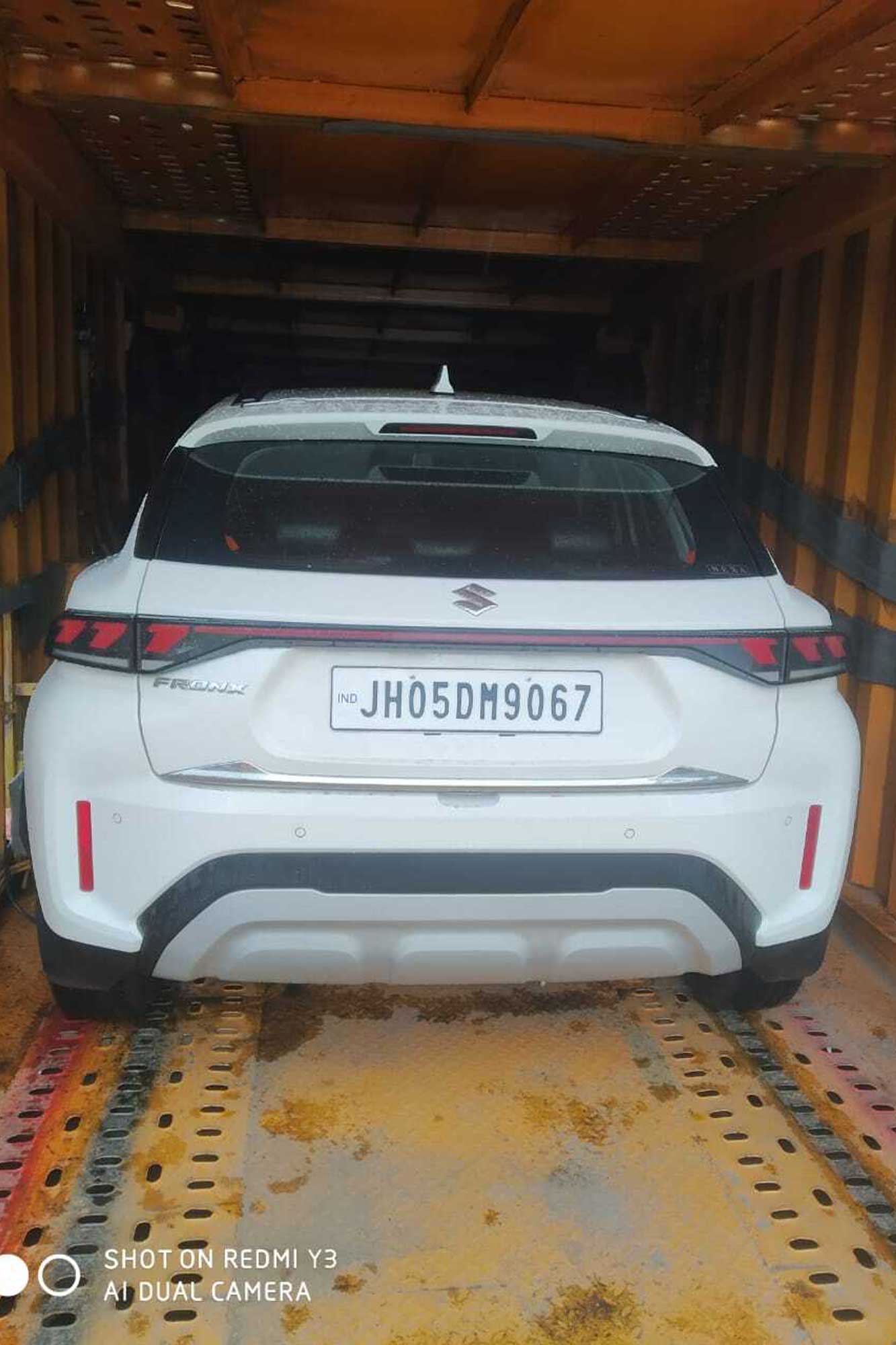
Car transport pricing in India for 2026, by distance and carrier type, plus what actually moves the number: car segment, carrier type, and route.
Driving your own car across the country burns fuel, tolls, days off and wear on the odometer. Most people moving cities choose to ship the car instead and fly or drive light. Car transport pricing depends on three things mainly: distance, carrier type and the size of your car. Here's the 2026 picture.
Car transport cost by distance and segment
Indicative 2026 ranges for a hatchback to mid-size sedan on an open carrier, excluding GST. SUVs and premium cars run 20 to 40% higher.
| Route length | Hatchback / sedan | SUV / premium |
|---|---|---|
| Under 300 km | ₹4,500–₹7,000 | ₹6,500–₹10,000 |
| 300–700 km | ₹7,000–₹12,000 | ₹10,000–₹16,000 |
| 700–1,200 km | ₹11,000–₹18,000 | ₹15,000–₹24,000 |
| Over 1,200 km | ₹16,000–₹26,000+ | ₹22,000–₹35,000+ |
Pricing by car segment
The distance table above is built around a hatchback or compact sedan. Every other segment moves the number up or down from that baseline, and knowing where your car sits helps you sanity-check a quote before you agree to it.
| Segment | Typical adjustment |
|---|---|
| Hatchback / compact sedan | Baseline rate |
| Mid-size sedan / compact SUV | 10 to 20% above baseline |
| Full-size SUV / premium sedan | 20 to 40% above baseline |
| Luxury or vintage car | Priced individually, usually on an enclosed carrier |
Open vs enclosed transport
- Open carrier: the standard choice for most sedans and hatchbacks, roughly 20 to 30% cheaper than enclosed transport.
- Enclosed carrier: fully covered, keeps the car free of dust, weather and road debris. Common for luxury, vintage or heavily modified vehicles.
- Self-drive vs carrier: some routes offer a driven-delivery option, where a driver moves the car for you, but it carries more risk of mileage and wear than a carrier.
Documents you'll need
- A copy of the car's registration certificate (RC), checked against the chassis and engine number at pickup.
- A copy of valid insurance, since carriers generally won't transport an uninsured vehicle.
- A valid PUC (pollution under control) certificate, which some carriers ask for alongside the RC.
- Government ID matching the RC owner, or a signed authorisation letter if someone else is handing the car over on the owner's behalf.
- A spare key given to the carrier for loading and manoeuvring, kept separate from the key you retain.
- A signed condition report noting every existing scratch, dent or chip, so both sides have a clear before-and-after reference.
How a car actually gets loaded and secured
This is the part of the process where most transit risk actually sits, more than the highway distance in between, so it's worth knowing what to expect before you hand the keys over.
- 1.Pre-loading inspection: the carrier walks around the car with a camera, photographing every panel and noting existing marks on the condition report.
- 2.Fuel check: most carriers ask for the tank to sit at around a quarter full, enough to drive the car on and off the carrier without adding unnecessary weight for the haul.
- 3.Alarm and accessories: aftermarket alarms are usually disabled for the trip, and loose accessories like dashboard cameras or phone mounts should be removed beforehand.
- 4.Loading: the car is driven or winched onto the carrier bed using a ramp, with low-clearance cars sometimes needing a hydraulic or adjustable ramp to avoid scraping the underside.
- 5.Securing: wheel chocks and tie-down straps anchor the car at multiple points, not just the axles, so it can't shift under braking or on rough stretches.
- 6.Enclosed carriers add a layer of protective film or covers over the bonnet and mirrors before the container is sealed.
- 7.At delivery, the same condition report is checked against the car's actual state before you sign off.
Other factors in the price
- Pickup and drop location. Door-to-door quotes cost more than terminal-to-terminal.
- Ground clearance. Very low-clearance sports cars sometimes need special ramps or hydraulic carriers.
- Season. Festival weeks and financial year-end (March) see higher demand and pricing.
- Insurance. Always confirm the declared value and whether transit insurance is included or optional.
Train, self-drive or a carrier: how they compare
| Rail car-carrier | Self-drive | Carrier transport | |
|---|---|---|---|
| Cost | Competitive where the route exists | Fuel and tolls only, but adds wear | Mid to higher, door to door |
| Route coverage | Limited to select rail corridors | Anywhere you're willing to drive | Covers most intercity and interstate routes |
| Convenience | Terminal drop-off and pickup required | You do all the driving yourself | Door-to-door, minimal effort |
| Wear on the car | Minimal, car is stationary | Significant over long distances | Minimal, professionally secured |
| Best for | Routes with a direct rail link | Short distances, time-rich movers | Most intercity relocations |
Typical transit time by distance
| Distance | Typical transit |
|---|---|
| Under 300 km | Up to 6 hours |
| 300–700 km | 5–14 hours |
| 700–1,200 km | 12–24 hours |
| Over 1,200 km | 1–2 days |
Common mistakes when shipping a car
- Not draining fuel down to a quarter tank, which can hold up loading or fall outside a carrier's safety terms.
- Skipping the condition report, then having no reference point if a new scratch turns up at delivery.
- Assuming transit insurance is automatic. It's usually an optional add-on that needs to be requested and confirmed before pickup.
- Booking on price alone without checking open versus enclosed, then being surprised by dust or weather exposure on a car that deserved better.
- Leaving valuables or documents inside the car, which most carriers exclude from coverage entirely.
Insurance and claims for car transport
Transit insurance on a car typically covers damage during loading, transport and unloading, plus total loss in the rare event of a serious accident involving the carrier. It's usually priced as a small percentage of the car's declared value, so agree that value upfront rather than leaving it vague on the booking form. If something does go wrong, photograph the damage immediately against your original condition report and notify your partner in writing within the claim window stated in your policy, often 24 to 48 hours after delivery.
Interstate vs intrastate car transport
Moving a car within the same state is usually the simpler booking, since it skips the permit and border checkpoints that come with crossing into another state. Interstate transport doesn't add paperwork for you personally, the carrier handles route permits for the vehicle, but it does mean a longer transit window and a stronger case for transit insurance, given the extra day or so your car spends on the road.
Preparing your car before pickup
- Wash the car beforehand so pre-loading inspection photos show its actual condition instead of dust masking a scratch.
- Remove loose accessories, dashcams, phone mounts, sunshades, and carry them separately rather than leaving them fitted.
- Note the odometer reading alongside the condition report as your own record.
- Keep the spare key, RC copy, insurance copy and PUC certificate together so handover at pickup takes minutes, not an hour.
What's usually excluded from a standard quote
- Personal belongings left inside the car: luggage, electronics or documents, none of which are covered by transit insurance.
- Repairs for pre-existing mechanical issues flagged during the pre-loading inspection.
- Storage beyond a short grace window if you can't receive the car on the scheduled delivery date.
- Insurance itself, unless you've specifically requested and confirmed it as part of the booking.
Choosing between multiple car transport quotes
- 1.Confirm whether each quote covers open or enclosed transport, since the two aren't a fair like-for-like comparison.
- 2.Ask about the condition report process specifically. A carrier without one is much harder to hold accountable for new damage.
- 3.Check whether insurance is included or an add-on, and get the declared-value process explained before you book.
- 4.Ask for an estimated transit window rather than just a delivery date, since carriers consolidating multiple cars on one route can add a day or two.
- 5.If you're relocating your household on the same route, ask whether bundling the car into that job brings the total down.
Car transport compared to a full household shipment
Car transport typically costs more than shipping a two-wheeler on the same route (roughly ₹1,800–₹3,200 for a bike under 300 km against ₹4,500–₹7,000 for a hatchback), since a car takes up far more carrier space and needs more team to load and secure. It's still usually a fraction of the cost of the household shipment it often travels alongside, which is why booking both with the same matched partner tends to work out cheaper than treating them as two separate jobs.
Seasonal timing for car transport
Demand for carriers rises around festival weeks and the March financial year-end, when relocations and new-car deliveries both spike, and this can extend booking lead times and nudge prices up. Monsoon months add handling time on open carriers, since covers need checking on rain-affected stretches. If your dates are flexible, booking outside these windows usually means quicker scheduling and more carrier options.
Terminal-to-terminal vs door-to-door
Terminal-to-terminal pricing has you drop the car at a hub near your locality and collect it from a similar hub at the destination, which trims cost since the carrier isn't detouring into residential lanes at either end. Door-to-door adds a pickup and drop fee on top, but it's worth it for most people, especially on a longer route where finding time to visit a terminal twice adds up to a real inconvenience. Ask for both numbers on your quote so you can weigh the saving against the hassle.
Modified and heavily customised cars
A car with a lowered suspension, a body kit, or aftermarket alloys needs to be flagged at the time of booking, not discovered at pickup. Ride height changes the ramp angle a carrier needs, wider wheels can affect how tightly the car sits against its neighbour on a shared carrier, and non-standard parts are worth photographing separately for the condition report. Most partners can accommodate a modified car without issue once they know about it in advance.
Cancellation and rescheduling
Plans change, pickup dates slip, a new city posting gets pushed back a week, so it's worth reading the cancellation terms before you pay any advance rather than after. Most verified partners allow a reschedule with a few days' notice at no extra cost, while a late cancellation closer to the pickup date can attract a partial charge, since a carrier slot on that route may already be booked around your car. Get this in writing at booking, not as a verbal assurance.
Booking car transport with a home move
If your relocation includes a car on the same route, ask your matched partner to price it alongside the household shipment. It's often more efficient than booking transport separately, and gives you one point of contact for both.
A car transport quote that looks unusually cheap is worth a second look. The gap is almost always insurance, the condition-report process, or the difference between open and enclosed transport.
Plug in your car's route and get an instant, adjustable estimate.
Estimate your car transport costCompare our full vehicle transport rate tiers.
See pricingCompare quotes from verified partners who handle vehicle transport alongside household moves.
Browse verified partnersFrequently asked
How much does it cost to transport a car within India?
For a hatchback or sedan on an open carrier, expect roughly ₹4,500–₹7,000 under 300 km, scaling up to ₹16,000–₹26,000 or more on routes over 1,200 km. SUVs and premium cars run higher, and enclosed carriers add a premium.
Is enclosed car transport worth the extra cost?
For a standard daily-driver car, open transport is usually sufficient and considerably cheaper. Enclosed transport is worth it for luxury, vintage or heavily modified vehicles where dust and weather exposure matter.
How long does car transport take?
Transit time depends on route and carrier scheduling: typically up to 6 hours for routes under 300 km, 5 to 14 hours for 300 to 700 km, 12 to 24 hours for 700 to 1,200 km, and 1 to 2 days for longer interstate hauls, since carriers often load multiple vehicles before departure.
Can I keep personal items inside the car during transport?
Most carriers discourage or limit loose items inside the car for safety and insurance reasons. Check your partner's policy before packing anything in the vehicle.
Do I need to be present for pickup and delivery?
Either you or an authorised person should be present to complete the vehicle inspection and handover paperwork at both ends of the move.
What documents do I need to hand over for car transport?
A copy of the registration certificate, valid insurance, a PUC certificate, government ID matching the RC owner, and a spare key for the carrier. A signed condition report at pickup is standard practice with verified partners.
Do I need to drain the fuel tank before transport?
Not completely. Most carriers ask for the tank to sit at around a quarter full, enough to drive the car on and off the carrier without adding unnecessary weight for the haul. Confirm the exact requirement with your partner when booking.
Can low ground clearance cars be transported safely?
Yes, though it usually needs extra care. Very low-clearance cars sometimes need a hydraulic or adjustable ramp to load and unload without scraping the underside, so flag this when you book rather than at pickup.
Can I transport an electric car the same way as a petrol or diesel car?
Yes, electric cars travel on the same carriers. Carriers usually ask for a partial rather than full charge before pickup, similar to the fuel-level guidance for conventional cars, so confirm your specific partner's requirement when booking.
Do I need any special permits for interstate car transport?
Not personally. Your carrier handles route permits for the transport vehicle itself. What changes for you is mainly a longer transit window and a stronger case for adding transit insurance, given the extra time your car spends on the road.
What happens if my car's delivery is delayed?
Reputable partners share an estimated delivery window upfront and update you if weather, route conditions or consolidation with other vehicles pushes it out. Ask about tracking and communication before you book, especially on longer interstate routes.
Should I verify a car transport partner the same way as a full home mover?
Yes. Check GST registration, ask for a written quote, and confirm the condition-report and insurance process before booking, the same scrutiny you'd apply to a full household mover, just for a smaller shipment.
What happens if I need to cancel or reschedule a car transport booking?
Most verified partners allow a reschedule with a few days' notice at no extra cost, while cancelling close to the pickup date can attract a partial charge, since the carrier slot on that route is often booked specifically around your car. Confirm the exact terms in writing before paying any advance.
How is the declared value for insurance decided?
It's usually agreed between you and the partner at booking, based on the car's current market value rather than its original purchase price. A realistic declared value matters, since it's the figure any claim payout is calculated against.